
Robotics & Arduino Programming Course in Charleston County for Grade 8–10 Students
 +1,200 Enrolled

Some of the highlights of this course.
1200+ Students Enrolled
60 Hours Course Duration
30 Sessions Total Sessions
10+ Projects Hands-On Projects
3 Major Robots Robotics Models Built
100% Completion Certificate Certification Rate
This robotics and Arduino course is designed to deliver measurable learning outcomes through a structured, hands-on approach. With 60 hours of guided training, multiple real-world projects, and practical exposure to electronics, programming, and sensors, students gain strong technical foundations and confidence in building functional robotic systems.
Tuition Fee and Training Options
Coming Soon
We are currently preparing new batches for this course. Please check back later or contact us for more information.
Course Description
Robotics & Arduino Programming Course Overview Overview

what will you get
Key Features & Highlights
Beginner-Friendly Curriculum
Designed for absolute beginners with step-by-step guidance in robotics, electronics, and Arduino programming.
Hands-On Learning Approach
Students learn by building real circuits and robots using Arduino kits and Tinkercad simulations.
Arduino & C++ Programming
Covers fundamentals of C++ programming and Arduino IDE to create logic-based robotic systems.
Sensor-Based Projects
Practical experience with sensors like ultrasonic, IR, LDR, and more to build intelligent automation systems.
This course offers a structured and progressive learning experience combining theory with practical implementation. Students gain real-world exposure through Arduino-based projects, sensor integrations, and robotics development, ensuring both conceptual clarity and hands-on expertise.
Why do Robotics & Arduino Programming for Grade 8–10 Students at Nevolearn
Learn like never before. Not just learning, you interact and gain real experience.
- Get practical, real-world learning experience
- Engage in interactive sessions and activities
- Apply concepts through hands-on exercises

Build skills that matter. Go beyond theory and develop job-ready expertise.
- Track and measure your skill progress
- Identify strengths and areas for improvement
- Gain industry-relevant knowledge and tools
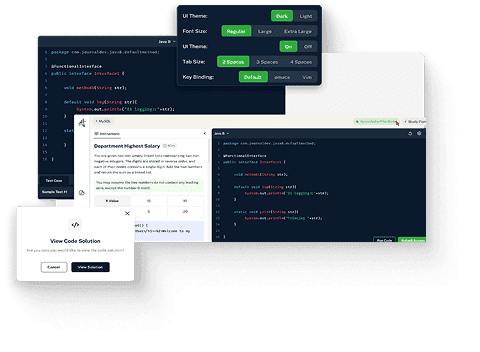
Achieve your career goals with structured learning and expert guidance.
- Learn from industry experts and mentors
- Prepare for certifications and real-world challenges
- Boost your career growth with in-demand skills

Robotics & Arduino Programming for Grade 8–10 Students Curriculum
About Robotics & Arduino Programming for Grade 8–10 Students Certification
Follow these simple steps to earn your professional certification and validate your expertise.
Enroll in the Robotics & Arduino course with Nevolearn
Attend all 30 structured sessions
Complete hands-on circuit and coding exercises
Build required robotics projects (line follower, obstacle avoidance, edge detection)
Participate in final project demonstration
Prerequisites
- Basic computer usage knowledge
- Interest in robotics, electronics, and STEM learning
- No prior coding or Arduino programming experience required
- No prior knowledge of electronics or circuit building needed


Who should attend the Robotics & Arduino Programming for Grade 8–10 Students training
This course is ideal for school students in grades 8–10 who are interested in robotics, coding, and STEM learning. It is specifically designed for beginners with no prior experience in programming or electronics. Students from any curriculum or board can join and explore robotics through hands-on projects.
COMMON QUESTIONS
Robotics & Arduino Programming for Grade 8–10 Students FAQs
Skills Covered
What Will You Learn?
Soaring Demand and Accelerated Growth
Robotics Engineer
Annual Salary
Workers/SalaryHiring Companies
Design, build, and test robotic systems using sensors, microcontrollers, and automation logic.
FOR Robotics Engineer
Annual Salary
Workers/SalaryHiring Companies
Design, build, and test robotic systems using sensors, microcontrollers, and automation logic.
for Robotics Engineer
Robotics engineers work on developing intelligent machines and automation systems used in industries like manufacturing, healthcare, and space technology.
Set your teams up with this course
Transforming your team
Hands-on experience with real Arduino projects
Strong foundation in electronics and circuit building
Learn C++ programming in a beginner-friendly way
Develop creativity and innovation skills
CERTIFICATION
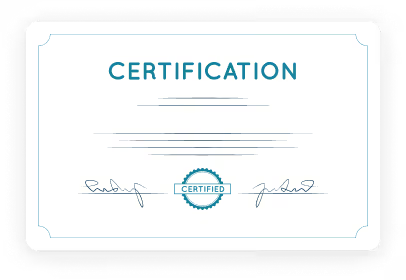
Earn a certificate on completion of this course
After finishing Nevolearn's Robotics & Arduino Programming for Grade 8–10 Students course, you'll earn an industry-recognized professional certificate. This certificate is designed for sharing on LinkedIn, allowing you to highlight your accomplishments and share your new skills with your network.
Validating your expertise with a professional certification helps you stand out in the job market and provides tangible proof of your commitment to continuous learning and professional growth.
TESTIMONIALS
What Learners are Saying





Still have a question? Get in Touch with our Experts
This STEM course offers hands-on learning in robot building using Arduino, sensors, and Tinkercad simulations. Students explore advanced components like ultrasonic sensor, IR sensor, LDR sensor, smoke sensor, sound sensor, water sensor, soil moisture sensor, and rain sensor to develop intelligent systems.
Through practical projects such as line following robot, obstacle avoidance robot, edge detection robot, and electric piano project, learners gain real-world experience in automation and robotics design. The course strengthens problem solving, enhances creativity, and prepares students for future careers in embedded systems and robotics engineering.
With structured learning and guided practice, students achieve confidence in Arduino programming, complete projects successfully, and earn a recognized student certification that validates their technical skills in robotics and STEM fields.
Robotics courseSTEM education, ElectronicsC++ programming, Circuit building, Breadboard, LEDRGB LED, Resistor, Jumper wires, Potentiometer, Transistor, Voltage regulator, Arduino IDE, Motor driver L298N, Servo motor, Coding for students, Robotics for beginners, Engineering basics, Logical thinking
Enhance your skills with our Robotics course designed for robotics for beginners and coding for students. This STEM education program combines Arduino programming, electronics, and C++ programming to build strong engineering basics, logical thinking, and problem solving skills.
Students learn circuit building using breadboard, LED, RGB LED, resistor, jumper wires, potentiometer, transistor, and voltage regulator. Practical training includes working with Arduino IDE, motor driver L298N, and servo motor for real-world automation and embedded systems applications.