
Organizations today are increasingly relying on structured project governance, strategic planning, and performance management to ensure successful project delivery. This growing demand has made the Project Management Office (PMO) one of the most promising career paths for aspiring professionals. Whether you're a recent graduate, a project coordinator, or someone looking to transition into project management, understanding the PMO career roadmap can help you build a rewarding and future-ready career. In this guide, we'll explore PMO fundamentals, career progression, essential skills, certifications, benefits, challenges, and the most effective way to accelerate your PMO journey. A Project Management Office (PMO) is a department or team responsible for establishing project management standards, governance frameworks, reporting structures, risk management practices, and performance metrics across an organization. Improve project success rates Standardize project processes Optimize resource utilization Enhance visibility into project performance Align projects with business goals As organizations scale their operations, PMO professionals become essential in ensuring consistency, efficiency, and strategic alignment. A PMO career offers opportunities to work across multiple departments, projects, and business functions. Professionals gain exposure to leadership, strategic planning, budgeting, risk management, and organizational transformation initiatives. Strong demand across industries Competitive salaries Clear career progression Exposure to enterprise-level decision making Opportunities for leadership roles Global career opportunities Project Management fundamentals Project life cycles Waterfall methodologies Agile methodologies Risk management Resource planning Budget management Stakeholder communication Project Coordinator Project Administrator Junior PMO Analyst Project Support Officer Operations Coordinator Successful PMO professionals possess a combination of technical and soft skills. Project planning Resource management Reporting and dashboards Risk management Portfolio management Financial tracking Governance frameworks Agile and Scrum fundamentals Communication Problem solving Leadership Negotiation Stakeholder management Time management Analytical thinking Modern PMOs rely heavily on technology platforms. Microsoft Project Jira Confluence Asana Trello Smartsheet Monday.com Power BI Learning these tools significantly improves employability. Certifications validate expertise and improve career prospects. CAPM (Certified Associate in Project Management) Scrum Fundamentals Certification Agile Foundation Certifications PMP (Project Management Professional) PMI-ACP PRINCE2 Foundation and Practitioner PgMP PfMP SAFe Program Consultant PMO Certified Practitioner Practical experience is critical. Project reporting Budget tracking Resource planning Risk registers Project governance Executive reporting Hands-on experience helps bridge the gap between theoretical knowledge and organizational expectations. Typical PMO progression includes: Responsibilities: Reporting Governance support KPI tracking Responsibilities: Portfolio reporting Risk analysis Resource management Responsibilities: Team leadership PMO strategy Process optimization Responsibilities: Enterprise governance Strategic alignment Portfolio oversight Responsibilities: Organizational transformation Executive leadership Enterprise portfolio management Organizations across technology, healthcare, finance, manufacturing, and government sectors require PMO professionals. Advantage Greater job security and career opportunities. PMO professionals often receive competitive salaries due to their strategic role. Advantage Strong earning potential and career growth. PMO skills are transferable across industries. Advantage Career flexibility. PMO roles frequently interact with senior executives and business leaders. Advantage Accelerated leadership growth. PMO professionals influence organizational success through governance and project execution. Advantage Meaningful contribution to business outcomes. While PMO careers offer significant advantages, beginners should also understand the challenges. Managing project governance frameworks can become highly complex. Challenge Requires continuous learning and adaptation. PMO roles often involve extensive reporting, documentation, and compliance activities. Challenge Can become repetitive and time-consuming. PMO professionals frequently manage conflicting priorities and executive expectations. Challenge Increased pressure and accountability. Organizations continuously adopt new methodologies, tools, and frameworks. Challenge Ongoing skill upgrades are necessary. Multiple certifications Tool subscriptions Practical project environments Continuous upskilling Challenge Costs can quickly add up for beginners. The most effective way to overcome PMO learning barriers is by choosing a comprehensive learning platform that combines practical training, industry-relevant content, hands-on experience, and career-focused guidance. This is where Nevolearn becomes a valuable choice for aspiring PMO professionals. Many learners struggle with fragmented learning experiences, expensive certifications, multiple subscriptions, and inconsistent practical exposure. Nevolearn addresses these challenges through a unified, enterprise-grade learning ecosystem. Structured PMO learning roadmaps designed for beginners and professionals. Courses aligned with real-world project management and PMO requirements. Fast, responsive, and scalable learning experiences that support uninterrupted learning. Enterprise-grade security measures help protect learner data and course assets. Organizations and training providers can quickly launch and scale PMO learning programs without building technology from scratch. Nevolearn manages the underlying technology infrastructure, allowing businesses to focus on content and learner success. Instead of investing heavily in platform development, maintenance, security, hosting, and upgrades, organizations can leverage a ready-to-use ecosystem with significantly lower operational costs. Easily support growing learner communities, multiple courses, and expanding training programs. Gain insights into learner engagement, progress, and performance. Benefit from ongoing platform enhancements without managing technical complexities internally. A PMO career offers excellent growth opportunities, strong earning potential, leadership exposure, and long-term career stability. However, beginners often face challenges such as extensive documentation requirements, evolving technologies, governance complexities, and the high costs associated with certifications, tools, and practical learning environments. To successfully navigate these challenges, aspiring PMO professionals need access to structured learning, practical experience, modern technology, and continuous support. Nevolearn provides a highly secure, performance-optimized, and scalable platform that removes much of the technical burden while delivering a comprehensive learning experience. Whether you're an individual learner seeking PMO expertise or a training organization looking to launch PMO programs, Nevolearn enables you to focus on skill development and business growth while minimizing technology costs, operational overhead, and maintenance efforts. This makes it a practical and future-ready solution for building a successful PMO career journey.What is a PMO?
PMOs help organizations:
Why Choose a PMO Career?
Key Benefits
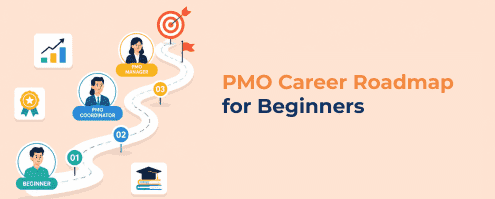
PMO Career Roadmap for Beginners
Stage 1: Build Foundational Knowledge
Before entering a PMO role, it's important to understand:
Recommended Entry-Level Roles
Stage 2: Develop Essential PMO Skills
Technical Skills
Soft Skills
Stage 3: Learn PMO Tools
Popular PMO tools include:
Stage 4: Earn Industry Certifications
Entry-Level Certifications
Intermediate Certifications
Advanced Certifications
Stage 5: Gain Real-World Experience
Focus on:
Stage 6: Advance Your PMO Career
PMO Analyst
Senior PMO Analyst
PMO Manager
PMO Director
Head of PMO / VP PMO
Pros of a PMO Career
1. High Industry Demand
2. Attractive Compensation
3. Diverse Industry Exposure
4. Leadership Development
5. Strategic Business Impact
Cons of a PMO Career
1. Complex Governance Requirements
2. Heavy Documentation Work
3. High Stakeholder Expectations
4. Constant Technology Changes
5. Expensive Learning Ecosystem
Building PMO expertise often requires:
How to Overcome PMO Career Challenges
Why Choose Nevolearn for Your PMO Career Journey?
Key Benefits of Nevolearn
Comprehensive Learning Paths
Industry-Relevant Curriculum
Performance-Optimized Platform
Highly Secure Infrastructure
Easy Marketability for Training Businesses
Reduced Operational Burden
Cost-Effective Growth
Scalability
Analytics and Reporting
Continuous Innovation
Final Verdict
About the Author
M
Michael
Scholar•35 Articles Published
Michael is an experienced and passionate writer specializing in educational topics. With a background in teaching profession, they bring a unique perspective to their articles, offering valuable insights and practical advice to educators, students, and parents. They are dedicated to staying informed about the latest trends and research in education. Through their writing, Michael aims to inspire and empower readers, providing them with the knowledge and tools to navigate the ever-evolving landscape of education.


