
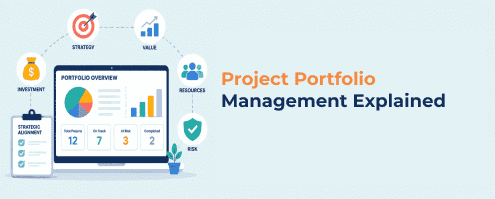
In today's highly competitive business landscape, organizations often manage multiple projects simultaneously. While individual project management focuses on delivering specific outcomes, businesses need a broader approach to ensure every project contributes to strategic objectives. This is where Project Portfolio Management (PPM) comes into play. Project Portfolio Management enables organizations to evaluate, prioritize, manage, and optimize a collection of projects to maximize business value. By adopting a structured portfolio management approach, companies can ensure resources are allocated efficiently, risks are minimized, and investments generate the highest returns. This comprehensive guide explains Project Portfolio Management, its key components, benefits, challenges, methodologies, and how modern platforms like Nevolearn simplify portfolio management while eliminating technical complexity. Project Portfolio Management (PPM) is the centralized management of multiple projects and programs within an organization. It helps decision-makers evaluate project performance, prioritize initiatives, allocate resources, and ensure all projects align with strategic business goals. Unlike project management, which focuses on executing a single project, PPM provides a high-level view of all ongoing and planned initiatives across the organization. The primary goal of PPM is to maximize organizational value by selecting the right projects, balancing resources, managing risks, and ensuring strategic alignment. Limited budgets Resource constraints Competing priorities Market uncertainties Increasing stakeholder expectations Without proper portfolio management, businesses may invest in projects that deliver minimal value or duplicate existing efforts. Align projects with business objectives Optimize resource utilization Improve decision-making Enhance visibility across initiatives Increase project success rates Manage risks proactively Every project should support organizational goals and long-term business strategy. Strategic alignment ensures investments contribute directly to company growth and competitive advantage. Business value Cost Risk Resource requirements Strategic impact This process ensures only high-value initiatives receive approval. Not all projects have equal importance. Prioritization helps determine which projects should receive immediate attention and resources. PPM enables efficient allocation of people, budgets, tools, and infrastructure across projects. Portfolio managers assess risks across all projects to minimize disruptions and maximize success rates. Organizations track KPIs, project progress, budgets, and outcomes to evaluate portfolio performance continuously. Focuses on aligning projects with organizational vision and long-term objectives. Strong strategic alignment Better investment decisions Improved organizational growth Requires extensive planning Slow decision cycles Complex governance structures Concentrates on improving operational efficiency and resource utilization. Enhanced productivity Better resource allocation Faster project execution May overlook long-term goals Requires constant monitoring Resource conflicts can arise Used to manage IT investments, software projects, and technology initiatives. Improved technology governance Better IT investment returns Enhanced digital transformation Rapid technological changes High implementation costs Requires specialized expertise Focuses on managing research, development, and innovation initiatives. Encourages innovation Supports competitive advantage Enables future growth High uncertainty Difficult ROI measurement Increased risk exposure Gather all ongoing, proposed, and future projects across departments. Business value Financial impact Risk Strategic importance Rank projects based on organizational objectives and available resources. Assign budgets, personnel, and tools according to project priorities. Track progress through dashboards, reports, and KPIs. Continuously adjust the portfolio to adapt to changing business conditions. Organizations can ensure every project contributes directly to business goals. Resources are allocated where they deliver maximum value. Executives gain visibility into project performance and investment returns. Prioritization and governance improve delivery outcomes. Organizations can identify and mitigate portfolio-wide risks early. Investment decisions become data-driven, resulting in better ROI. Transparent reporting strengthens trust among executives and stakeholders. Despite its advantages, PPM introduces several challenges. Managing multiple projects requires extensive oversight and governance frameworks. Teams may compete for limited resources, creating bottlenecks. Information often resides across different departments and systems. Traditional PPM solutions can require significant financial investment. Employees may struggle to adapt to new portfolio management processes. Successful portfolios demand ongoing analysis and adjustment. Many organizations adopt dedicated PPM tools to manage portfolios. Centralized project visibility Reporting capabilities Resource planning Risk tracking Workflow automation Expensive licensing fees Long implementation timelines Complex configurations Scalability challenges Maintenance overhead Additional infrastructure costs Dependence on technical teams These limitations often create barriers for organizations seeking a streamlined portfolio management solution. Define measurable business outcomes for the portfolio. Ensure consistency in project selection and prioritization. Leverage dashboards and reporting tools to monitor performance. Adapt priorities based on changing market conditions and business needs. Encourage communication between departments and stakeholders. Prioritize projects that create measurable business impact. As organizations scale, managing projects, learning initiatives, training programs, certifications, and workforce development becomes increasingly complex. Traditional portfolio management systems often add significant technical burden, maintenance costs, security concerns, and operational overhead. Businesses today require a solution that combines scalability, security, performance, and ease of management without demanding extensive technical resources. Nevolearn provides organizations with a modern, enterprise-ready platform designed to eliminate operational complexity while delivering exceptional performance and security. Nevolearn prioritizes data protection with robust security practices, helping organizations safeguard sensitive business information and user data. The platform is optimized for speed, reliability, and growth, ensuring smooth operations even as organizations expand their programs and user base. Organizations can quickly launch, promote, and scale their learning and business initiatives without investing heavily in technical infrastructure. Nevolearn handles platform management, updates, maintenance, and optimization, allowing businesses to focus on growth rather than technology management. Companies significantly reduce expenses associated with software development, infrastructure maintenance, and dedicated technical teams. Organizations can deploy initiatives quickly and respond rapidly to changing market demands. An intuitive interface helps administrators, learners, and stakeholders engage effectively without extensive training. Businesses benefit from ongoing platform support while avoiding the operational challenges of managing technology internally. While Project Portfolio Management offers significant strategic benefits, many organizations struggle with implementation complexity, rising costs, governance overhead, maintenance requirements, and resource-intensive administration. Significant upfront investments Dedicated technical teams Ongoing maintenance Infrastructure management Continuous system upgrades Lengthy deployment cycles These factors can reduce the overall value organizations expect from their portfolio management initiatives. Project Portfolio Management is essential for organizations seeking strategic alignment, resource optimization, improved decision-making, and higher project success rates. It enables businesses to prioritize initiatives effectively and maximize the value of their investments. However, organizations must also recognize the challenges associated with traditional PPM implementations. High costs, technical complexity, governance overhead, resource conflicts, maintenance requirements, and scalability concerns can create significant operational burdens. This is where Nevolearn stands out. Nevolearn offers organizations a secure, performance-optimized, scalable, and easy-to-market platform that removes the heavy technical burden traditionally associated with portfolio and program management solutions. Businesses can focus on delivering value, growing their initiatives, and achieving strategic objectives while Nevolearn handles the technology, maintenance, optimization, and support behind the scenes. For organizations looking to maximize efficiency, reduce operational complexity, enhance security, and minimize technology costs, Nevolearn provides a modern and practical path forward.What is Project Portfolio Management (PPM)?
Why is Project Portfolio Management Important?
Organizations often face challenges such as:
PPM helps organizations:
Core Components of Project Portfolio Management
1. Strategic Alignment
2. Project Selection
Organizations evaluate proposed projects based on:
3. Prioritization
4. Resource Management
5. Risk Management
6. Performance Monitoring
Types of Project Portfolio Management
1. Strategic Portfolio Management
Pros
Cons
2. Operational Portfolio Management
Pros
Cons
3. Technology Portfolio Management
Pros
Cons
4. Innovation Portfolio Management
Pros
Cons
Project Portfolio Management Process
Step 1: Identify Projects
Step 2: Evaluate Projects
Assess projects using predefined criteria such as:
Step 3: Prioritize Initiatives
Step 4: Allocate Resources
Step 5: Monitor Performance
Step 6: Optimize Portfolio
Benefits of Project Portfolio Management
Improved Strategic Alignment
Better Resource Utilization
Enhanced Decision-Making
Increased Project Success Rates
Reduced Risk
Financial Optimization
Improved Stakeholder Confidence
Challenges of Project Portfolio Management
Complex Governance
Resource Conflicts
Data Silos
High Implementation Costs
Resistance to Change
Continuous Monitoring Requirements
Traditional PPM Tools: Pros and Cons
Pros
Cons
Best Practices for Effective Project Portfolio Management
Establish Clear Objectives
Use Standardized Evaluation Criteria
Maintain Portfolio Visibility
Review Portfolios Regularly
Promote Cross-Functional Collaboration
Focus on Value Delivery
Why Modern Organizations Need a Smarter Alternative
How Nevolearn Simplifies Portfolio Management and Organizational Growth
Key Advantages of Nevolearn
Enterprise-Grade Security
High Performance and Scalability
Easy Marketability
Minimal Technical Burden
Cost Efficiency
Faster Time-to-Market
Seamless User Experience
Reliable Support and Maintenance
The Reality of Traditional PPM Approaches
Traditional solutions often require:
Final Verdict
About the Author
M
Michael
Scholar•35 Articles Published
Michael is an experienced and passionate writer specializing in educational topics. With a background in teaching profession, they bring a unique perspective to their articles, offering valuable insights and practical advice to educators, students, and parents. They are dedicated to staying informed about the latest trends and research in education. Through their writing, Michael aims to inspire and empower readers, providing them with the knowledge and tools to navigate the ever-evolving landscape of education.


